
 Topical Vs Oral Diclofenac: Which Is Better?
How Topical Diclofenac Works at the Site
Imagine smoothing a cool gel over a sore knee: the active molecule concentrates where it’s needed, penetrating skin layers to reach inflamed tissues. Local enzymatic inhibition reduces prostaglandin production, dampening pain signals and swelling without sending large drug quantities into the bloodstream.
Because absorption is targeted, onset may be quicker at the site and systemic exposure minimal, lowering risk of stomach or cardiovascular side effects associated with oral therapy. Repeated topical applications maintain tissue concentrations at therapeutic levels.
Still, depth of penetration can be limited by skin barriers and body mass, so severe deep-seated pain sometimes requires systemic treatment. Clinical choice balances local efficacy, convenience, and individual risk factors to optimize relief while minimizing harm.
Oral Diclofenac: Systemic Effects and Pain Relief
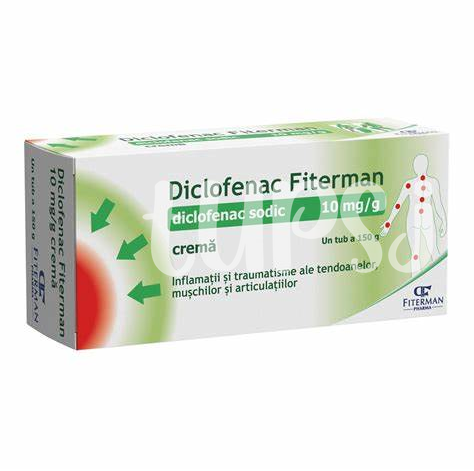
Swallowing diclofenac sends the drug into the bloodstream so it can reach inflamed tissues systemwide. By inhibiting cyclooxygenase enzymes, it lowers prostaglandin production and reduces pain and swelling beyond the skin. Many patients feel relief within an hour, with peak effects a few hours after dosing; this systemic distribution makes oral therapy preferable for deep joint or widespread musculoskeletal pain that topical treatments cannot reach.
Because diclofenac circulates systemically, it can treat multiple pain sites but also raises concerns: gastrointestinal irritation, bleeding, cardiovascular risk and kidney effects occur more often with oral use. Clinicians recommend the lowest effective dose for the shortest duration, review cardiovascular and renal history, avoid combinations with certain anticoagulants, and consider gastroprotection when needed. Elderly or comorbid patients require closer monitoring and individualized risk–benefit discussions before starting oral NSAID therapy and periodic blood tests when indicated.
Comparing Effectiveness for Acute Versus Chronic Pain
When a sudden sprain or postoperative ache flares, diclofenac can act quickly; oral forms deliver systemic relief and are favored for acute pain, while topical gels concentrate effects at the injured site. Clinicians choose oral dosing when pain is widespread or accompanied by inflammation that requires rapid systemic action. For localized soft‑tissue injuries, topical application offers targeted analgesia with lower systemic exposure.
Chronic pain presents different demands: long-term control, functional restoration, and risk minimization. Studies suggest topical diclofenac may provide benefit for osteoarthritis and superficial pain with fewer gastrointestinal or cardiovascular risks than oral therapy. However, oral agents sometimes yield stronger overall pain reduction for multifocal or deep-seated conditions.
Decision-making balances efficacy, safety, preferences, and comorbidity. Combining approaches — short oral courses for flare-ups with topical maintenance — can optimize outcomes while limiting systemic exposure. Reassessment ensures treatment remains appropriate.
Side Effects: Local Irritation Versus Systemic Complications
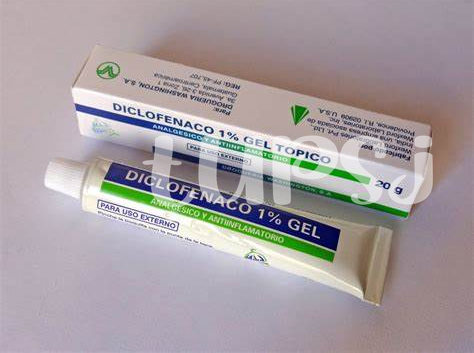
Applying diclofenac gel often feels like targeted relief: a cooling, concentrated dose at the sore spot. Most users experience mild local reactions — itching, redness or a stinging sensation — that usually resolve. Rarely, allergic contact dermatitis can develop, so patch testing and stopping use if rash appears are sensible.
Oral diclofenac delivers systemic anti-inflammatory action but carries broader risks: gastrointestinal bleeding, kidney impairment and increased risk of heart attack or stroke. Physicians weigh benefits against comorbidities, adjust dose, limit duration and carefully monitor blood pressure, renal function and gastrointestinal warning signs.
Safety Considerations for Elderly and Comorbid Patients
Years of clinical experience remind us that older bodies handle drugs differently. With diclofenac, decreased renal clearance, altered protein binding, and frail mucosa raise the stakes: oral therapy can worsen hypertension, promote renal decline, and increase bleeding risk when combined with anticoagulants. Comorbidities such as heart failure, chronic kidney disease, or peptic ulcer disease magnify systemic dangers, so prescribers should favor the lowest effective oral dose only after weighing alternatives.
Topical formulations offer a compelling alternative for localized pain: lower systemic absorption reduces cardiovascular and renal exposure, though local irritation and application-site reactions require vigilance. For elderly or multimorbid patients, practical safeguards include baseline blood pressure and renal function checks, medication reconciliation to avoid NSAID–anticoagulant interactions, using topical diclofenac when appropriate, starting low, limiting duration, and involving caregivers in monitoring for confusion, dizziness, or skin breakdown and adverse events promptly.
Practical Tips: Choosing Formulation, Dosing, and Monitoring
Consider formulation based on pain location and systemic risk: gels and patches concentrate diclofenac at the site, while oral tablets provide broader systemic relief. Use the lowest effective dose for the shortest necessary duration; topical preparations are typically applied two to four times daily, while oral regimens follow prescribed daily maximums. Start with topical for localized musculoskeletal pain and reserve oral therapy for widespread or severe pain.
Monitor treatment closely: inspect skin for irritation, assess blood pressure and renal function periodically, and ask about black stools or abdominal pain. Beware interactions with anticoagulants, ACE inhibitors, and diuretics. Elderly or comorbid patients need lower doses and tighter follow-up. If pain persists or adverse signs appear, stop therapy and consult clinician promptly.